

As we step into 2026, the role of a CEO is more challenging and dynamic than ever. Leaders are facing an accelerated pace of technological innovation, evolving workforce expectations, economic uncertainties, and rising demands for sustainability and social responsibility. The stakes are higher, and the margin for error is smaller.
While every CEO’s journey is unique, certain recurring challenges continue to dominate the landscape. Understanding these pain points and knowing how to tackle them can mean the difference between thriving and merely surviving in a rapidly changing business world.
This guide explores the top CEO pain points of 2026 and provides actionable strategies to address them effectively.
Pain Point: Rapid advancements in AI, automation, and data analytics are forcing CEOs to rethink business models, supply chains, and customer engagement strategies. The pressure to integrate these technologies while maintaining a human touch in leadership is immense.
Solution:
To stay ahead, CEOs must lead from the front when it comes to digital transformation. A solid strategy for technology adoption should not only focus on efficiency but also on improving the customer experience and driving innovation. CEOs should:
Invest in upskilling their workforce: Ensure employees have the skills necessary to leverage new technologies.
Collaborate with tech experts: Partner with technology providers and consultants who specialize in future-proofing businesses.
Focus on ethical AI: Make responsible AI practices a priority to ensure that automation enhances, rather than replaces, human work.
For those CEOs seeking to expand their professional networks or engage with industry leaders in this field, accessing a CEO email database can be an effective strategy. By building connections with other CEOs, leaders can share insights and foster collaboration on technological advancements.
Pain Point: The “Great Resignation” left a lasting impact on companies. With employee expectations around flexibility, culture, and purpose higher than ever, attracting and retaining top talent remains a key challenge for CEOs.
Solution:
CEOs need to foster a work environment that supports employee well-being, flexibility, and professional development. This involves:
Adopting hybrid work models: Provide employees with flexibility to balance work and life, but ensure strong communication and collaboration across remote and in-office teams.
Building strong company culture: CEOs should actively cultivate a culture of inclusivity, respect, and trust, ensuring that employees feel engaged and valued.
Offering growth opportunities: Provide career development programs, mentorship, and learning initiatives to ensure employees feel they are progressing within the company.
To improve engagement and build a network of like-minded peers, many CEOs turn to resources like a CEO email address list. By directly connecting with fellow executives, they can exchange best practices for employee retention, engagement strategies, and creating a more flexible work environment.
Pain Point: Global markets are volatile, with inflation, supply chain disruptions, and geopolitical tensions creating a sense of uncertainty. CEOs are under pressure to make decisions that will sustain long-term growth while managing immediate financial challenges.
Solution:
In the face of economic instability, CEOs must be agile and adopt strategies that provide financial flexibility. Here’s how to navigate these turbulent times:
Scenario planning and financial forecasting: Use data analytics to model potential market scenarios and develop contingency plans for different economic situations.
Diversify revenue streams: Avoid over-reliance on one market or product line by exploring new revenue channels, geographic expansions, or acquisitions.
Cost efficiency: Streamline operations without sacrificing quality or innovation. Identify non-essential costs and explore automation opportunities to improve margins.
Pain Point: CEOs are under intense scrutiny from a variety of stakeholders, including investors, customers, employees, and regulators. Balancing these sometimes conflicting demands can be overwhelming, especially as social and environmental issues become central to business operations.
Solution:
Transparency and communication are key to navigating stakeholder expectations. CEOs can:
Adopt clear, consistent messaging: Ensure that the company’s goals, progress, and challenges are communicated regularly to all stakeholders.
Focus on sustainability: Integrating sustainability into the business model is no longer optional. CEOs should lead efforts toward environmental responsibility, not just for compliance but also as a way to appeal to eco-conscious consumers and investors.
Practice active listening: Understand the needs of stakeholders through regular surveys, focus groups, and one-on-one meetings. Engage stakeholders in decision-making processes where possible.
Pain Point: The pace of change continues to accelerate. New competitors, business models, and consumer expectations emerge almost daily. CEOs must keep their companies agile to pivot quickly when needed while maintaining strategic focus.
Solution:
Being agile requires a shift in both mindset and operations. To stay flexible and responsive, CEOs should:
Foster a culture of innovation: Encourage experimentation, and allow employees at all levels to bring fresh ideas to the table. Empower decision-making at lower levels to increase responsiveness.
Adopt lean and flexible structures: Minimize hierarchical structures that slow down decision-making. Implement cross-functional teams that can move quickly and execute new initiatives efficiently.
Regularly reassess business priorities: Conduct frequent strategic reviews to evaluate market trends and business performance. Adapt business strategies in real time to reflect new opportunities and challenges.
Pain Point: As businesses go digital, data breaches and cyber threats pose significant risks. Protecting sensitive information while maintaining trust is a top concern.
Solution:
Invest in cybersecurity infrastructure with advanced protection and threat detection
Train employees regularly on security best practices
Implement comprehensive privacy policies aligned with global standards and communicate clearly with customers
Pain Point: Consumers and employees alike are increasingly demanding that companies operate with purpose. CEOs are expected to lead not just with profits in mind, but with social and environmental impact in focus as well.
Solution:
To address this, CEOs need to integrate social responsibility into the core of the business strategy. This can be achieved by:
Championing a purpose-driven mission: Align the company’s vision with a greater societal goal, such as sustainability, diversity, or community support.
Engaging in corporate social responsibility (CSR) programs: Develop initiatives that give back to communities, invest in sustainable practices, and support employee volunteerism.
Building a transparent brand: Show your company’s commitment to ethical business practices through transparency, reporting, and by engaging customers in your company’s efforts.
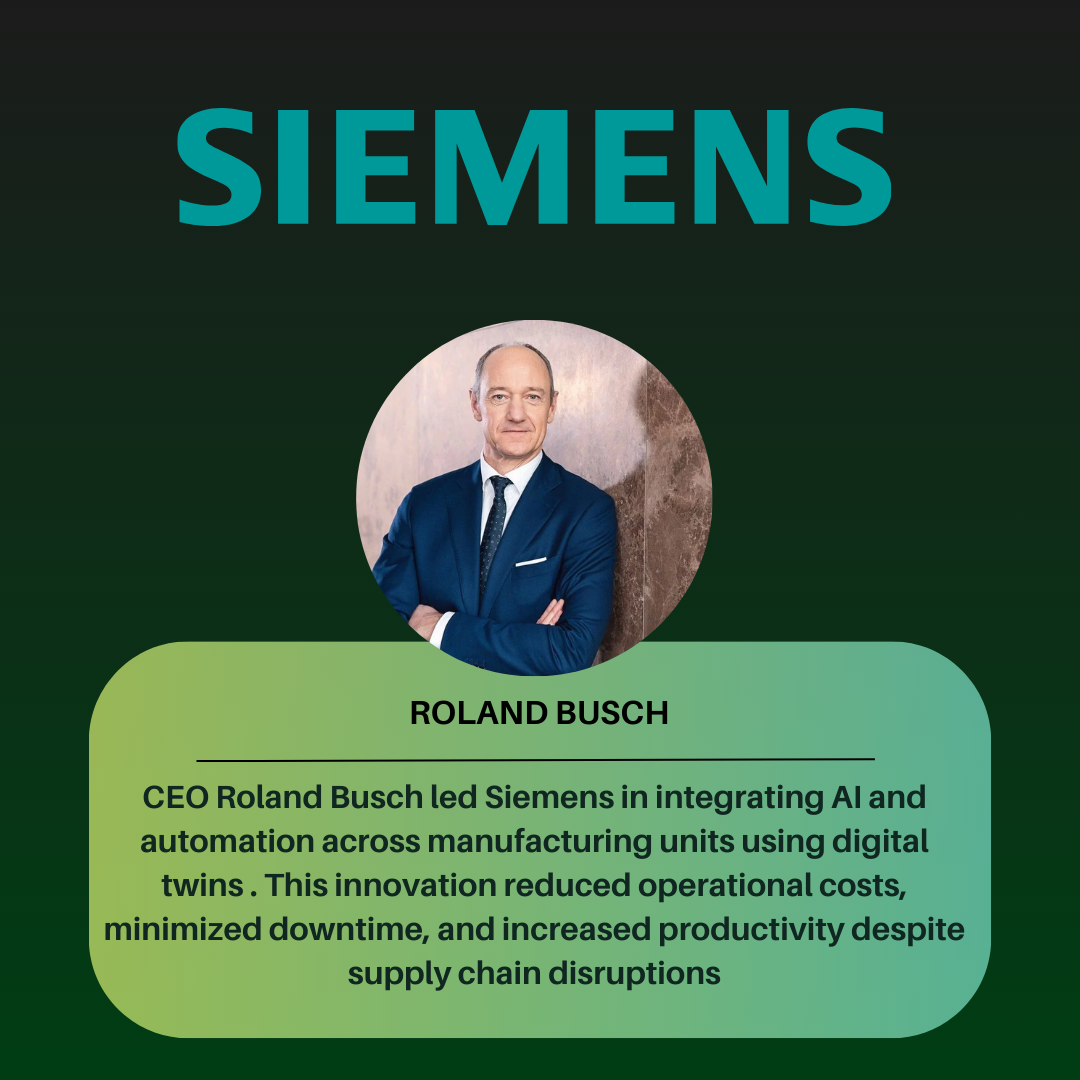
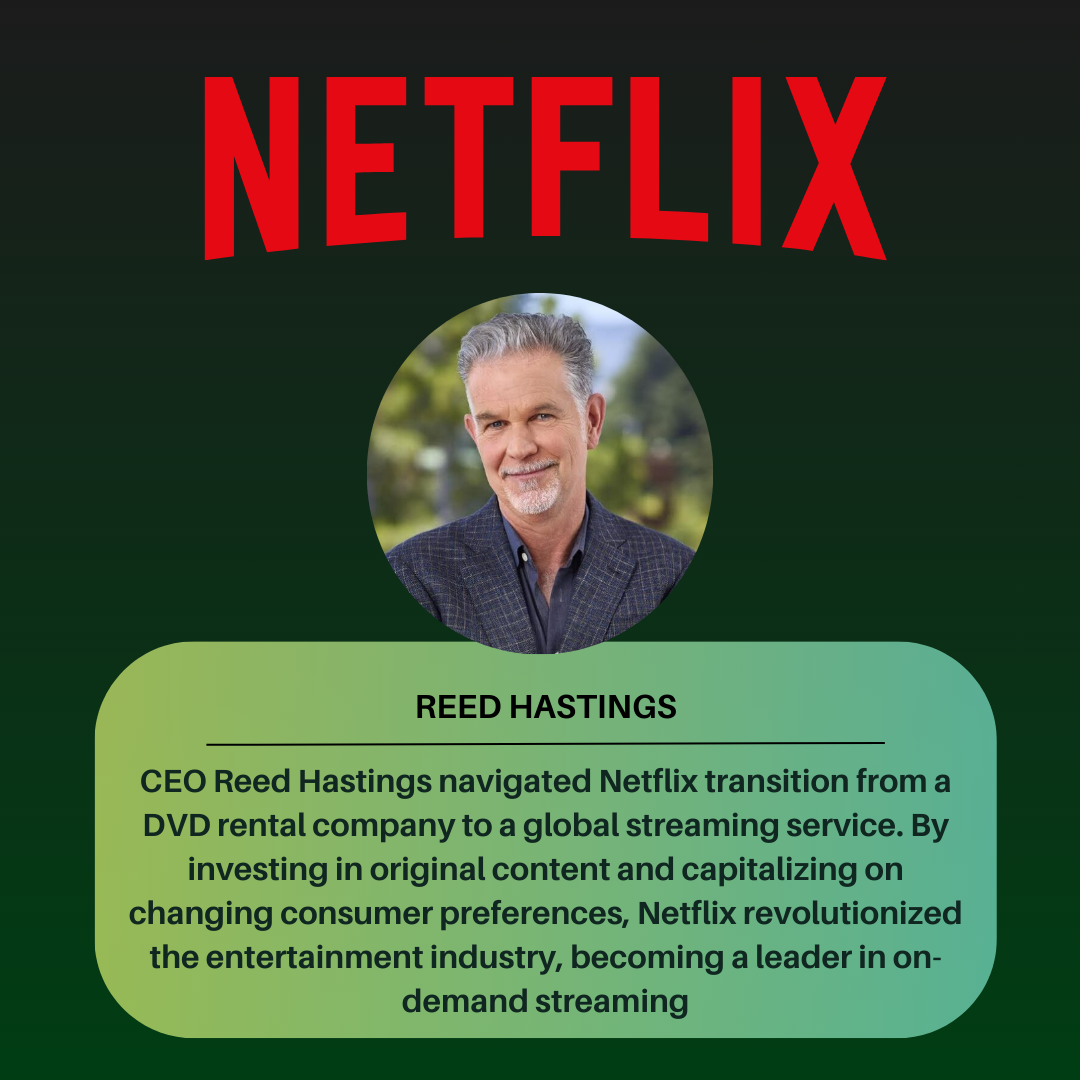
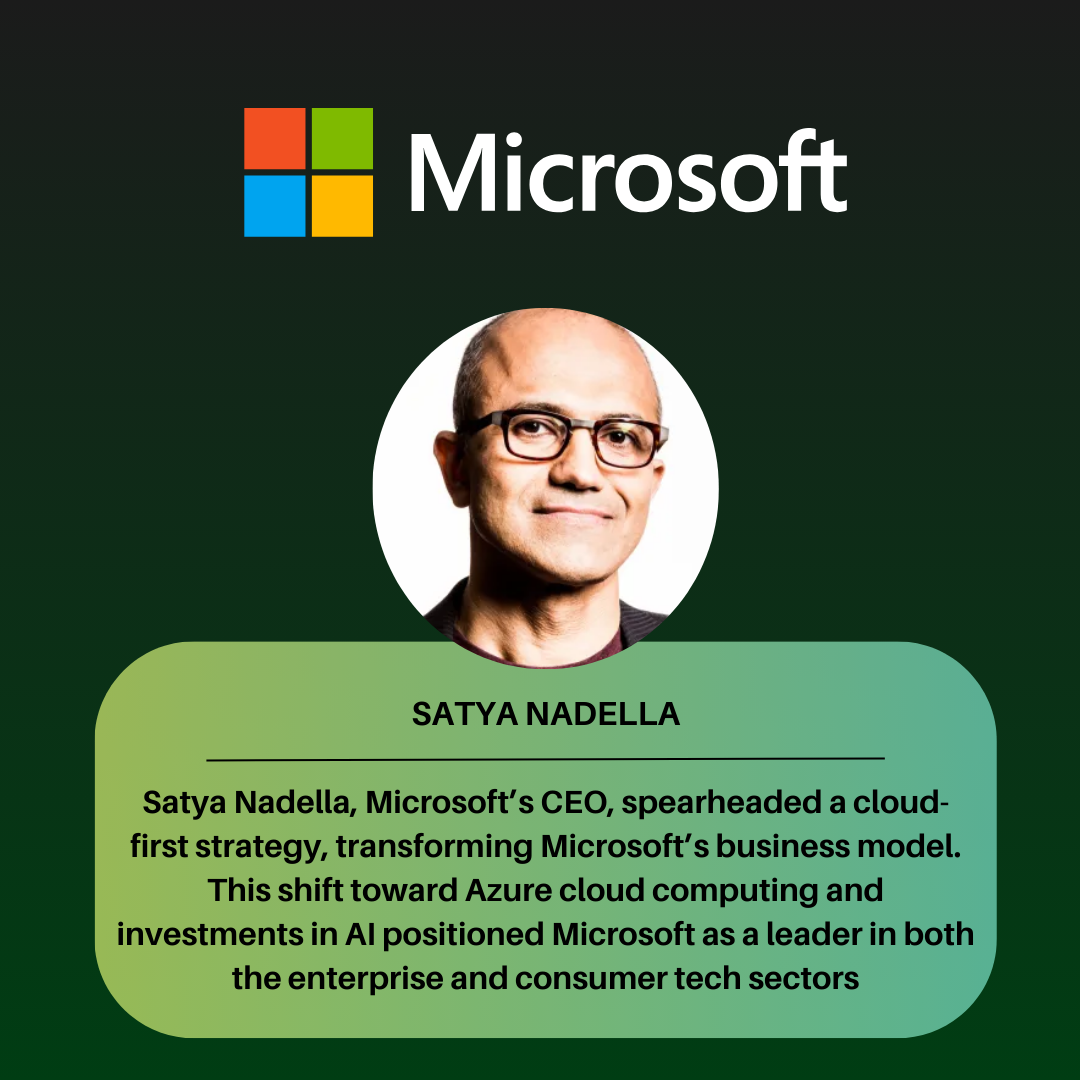
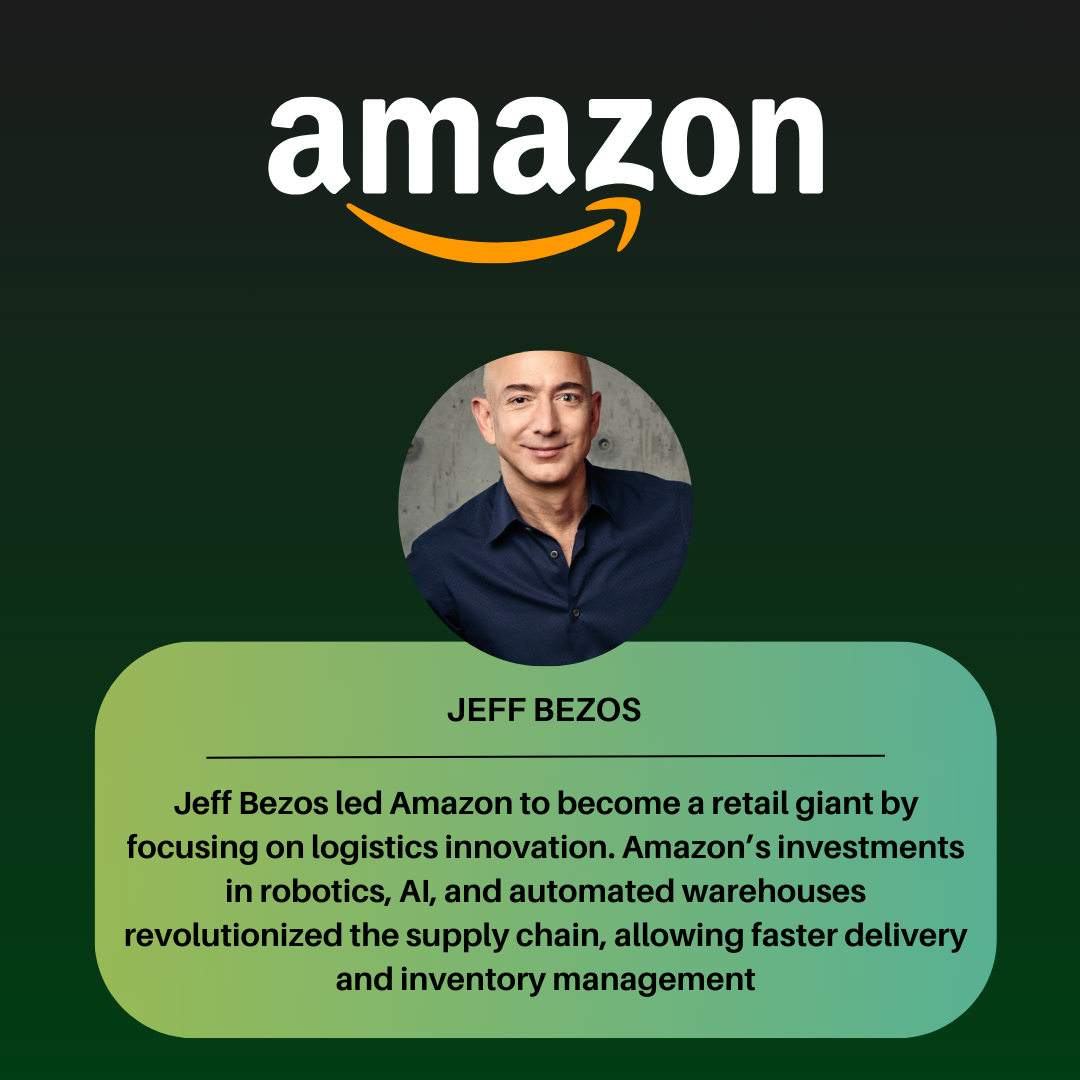
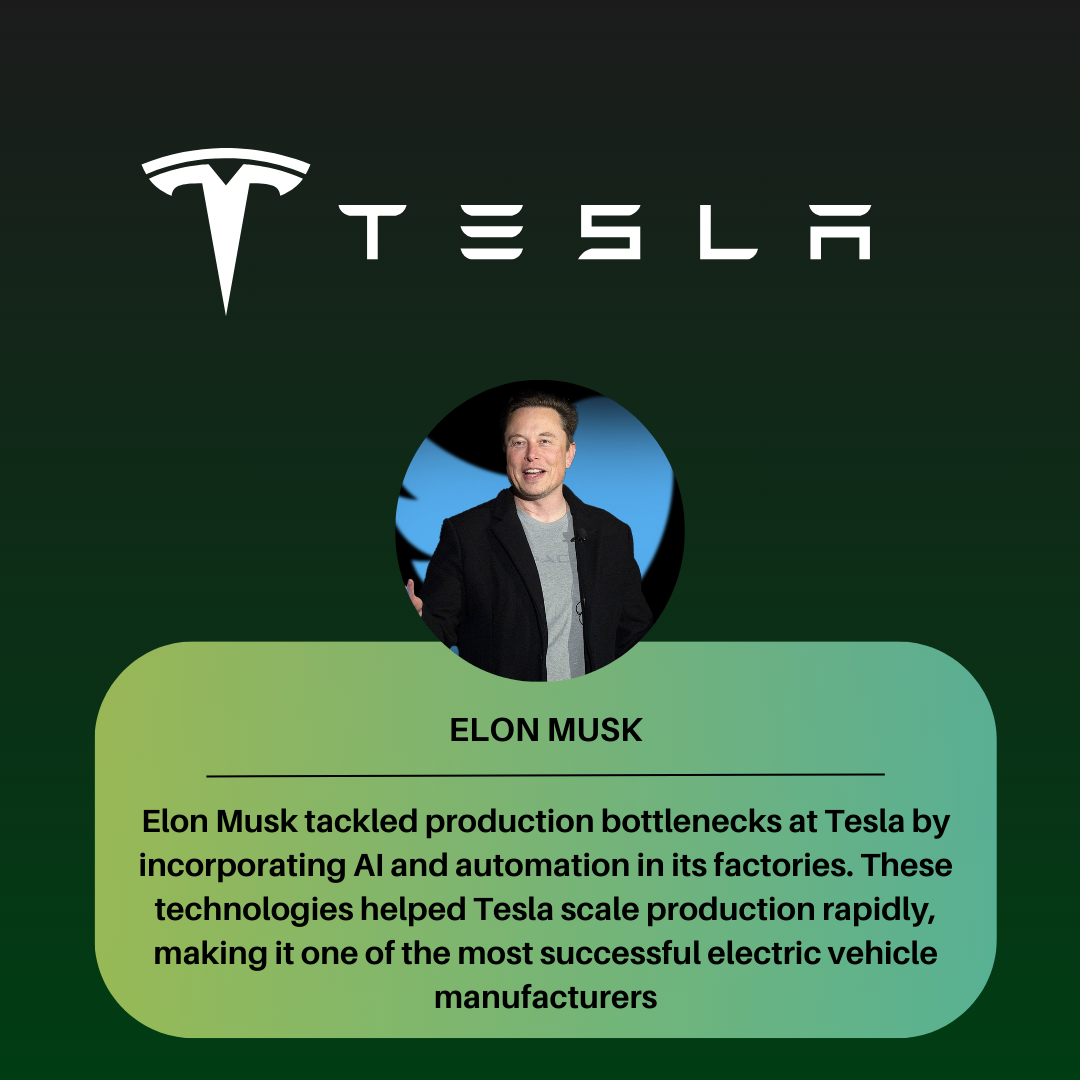
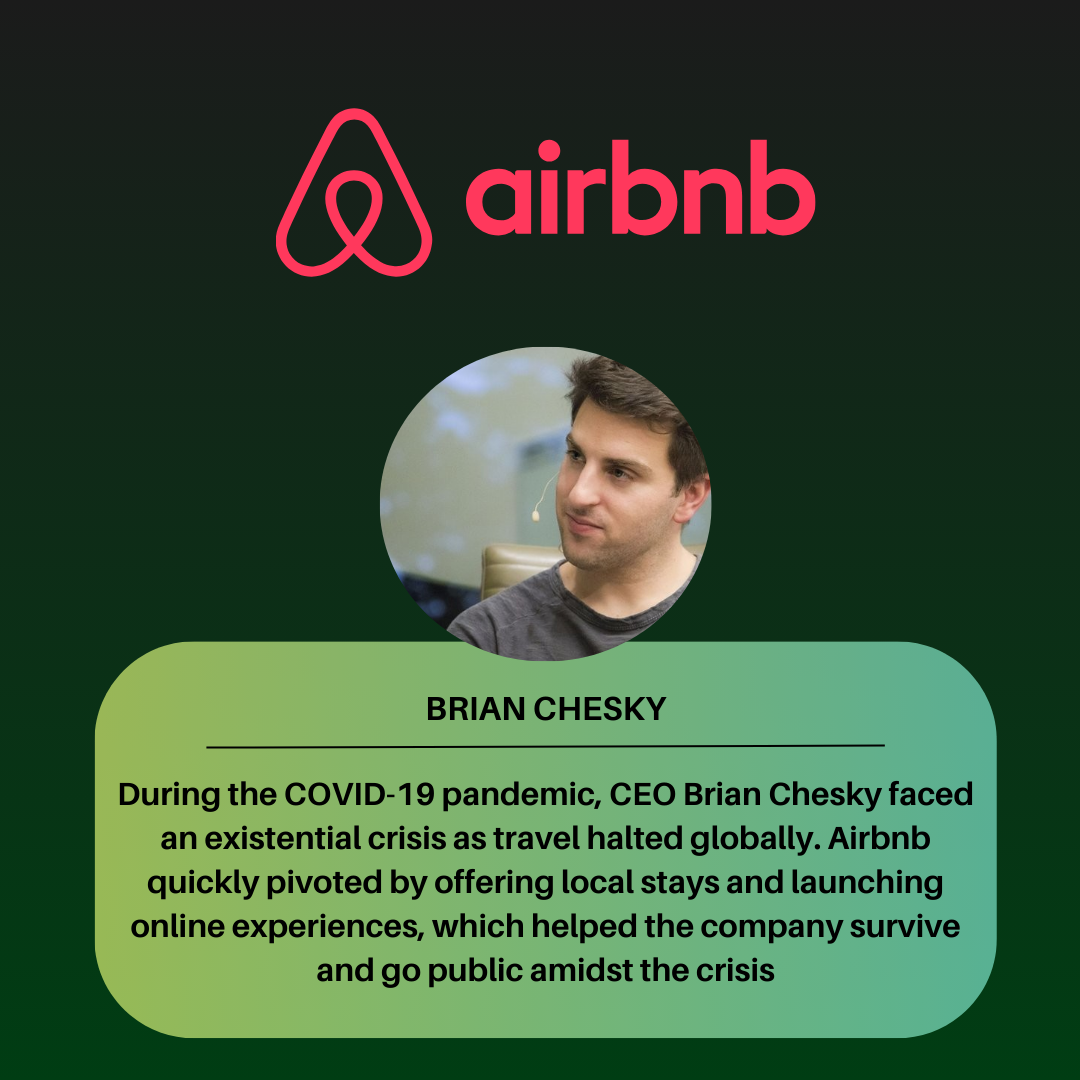
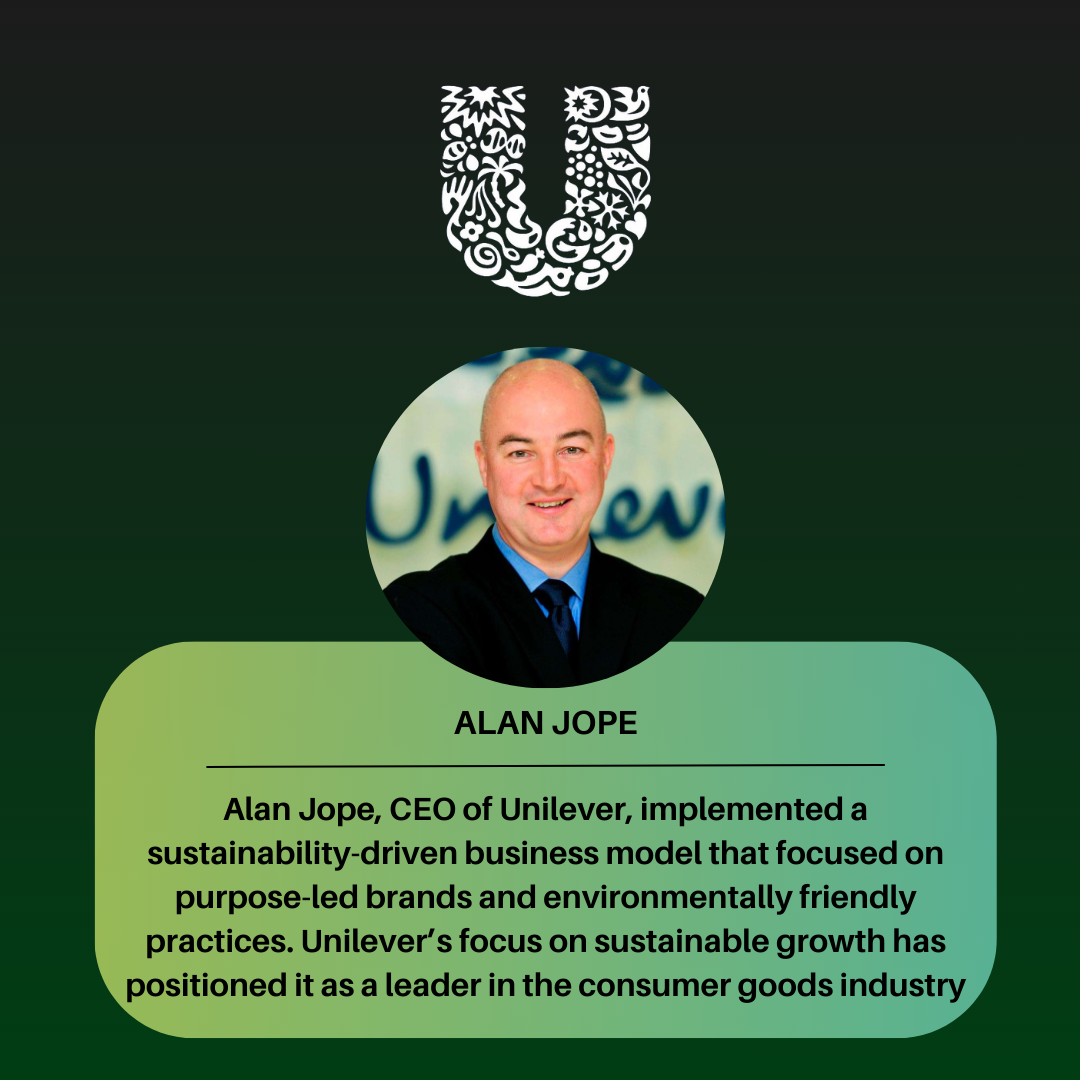
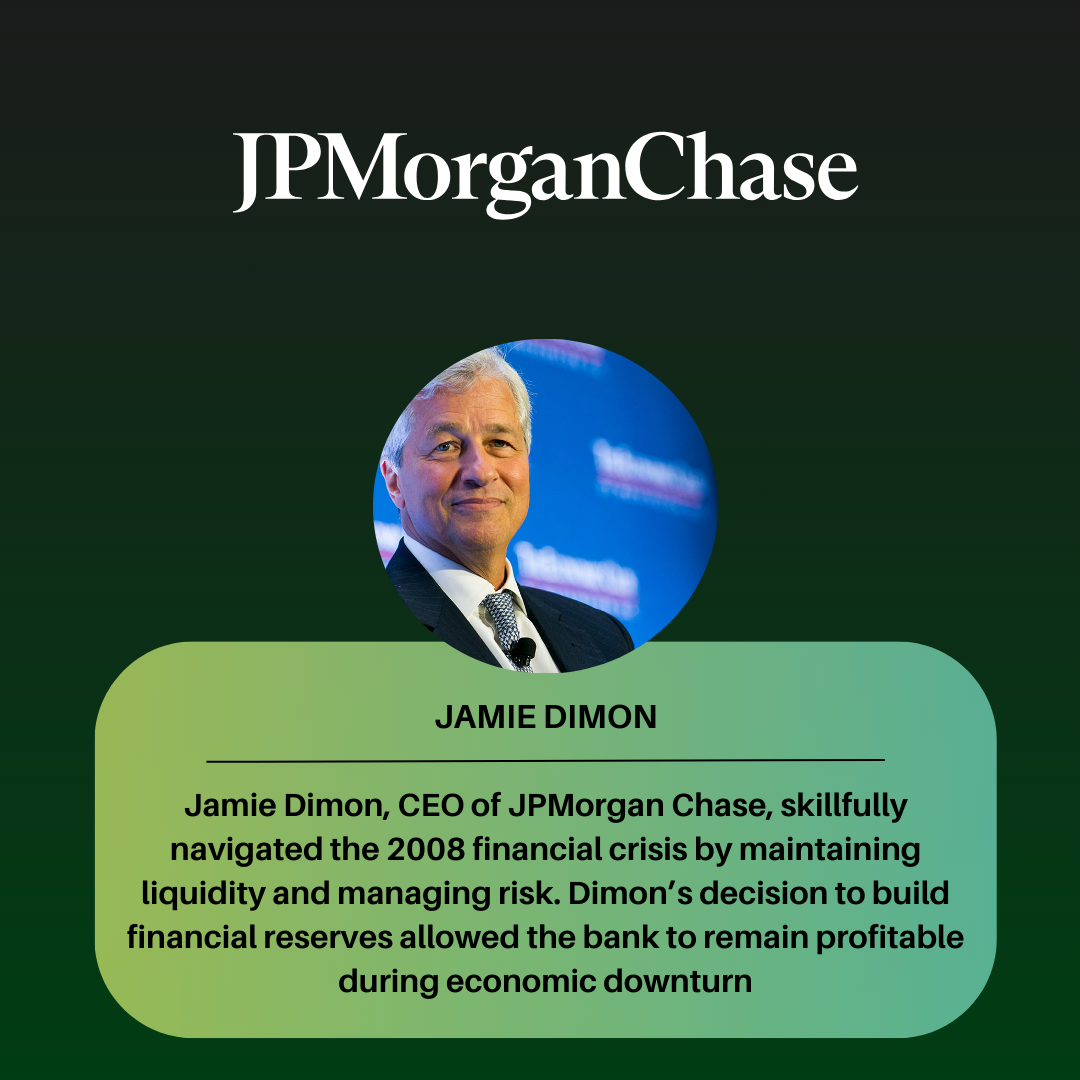
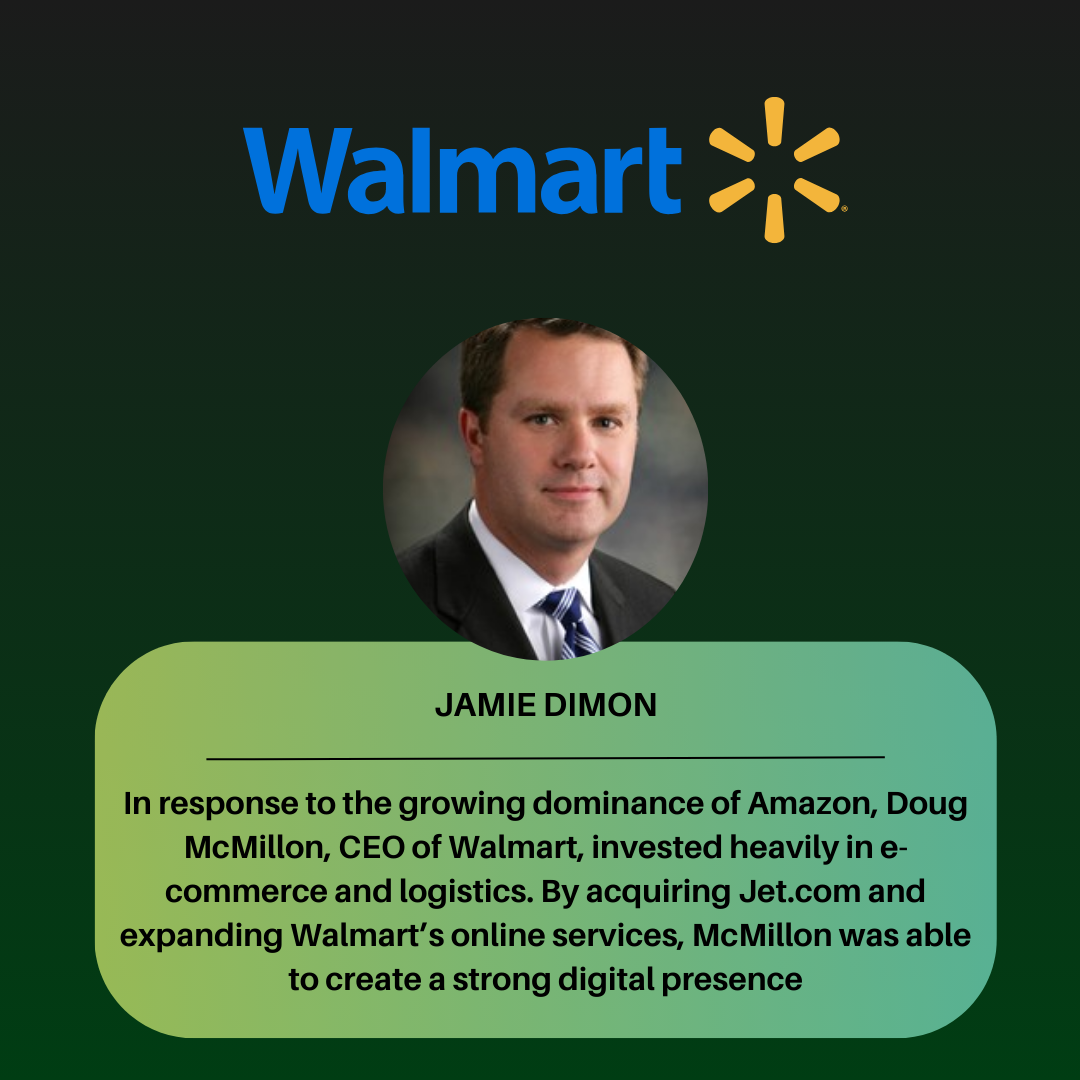
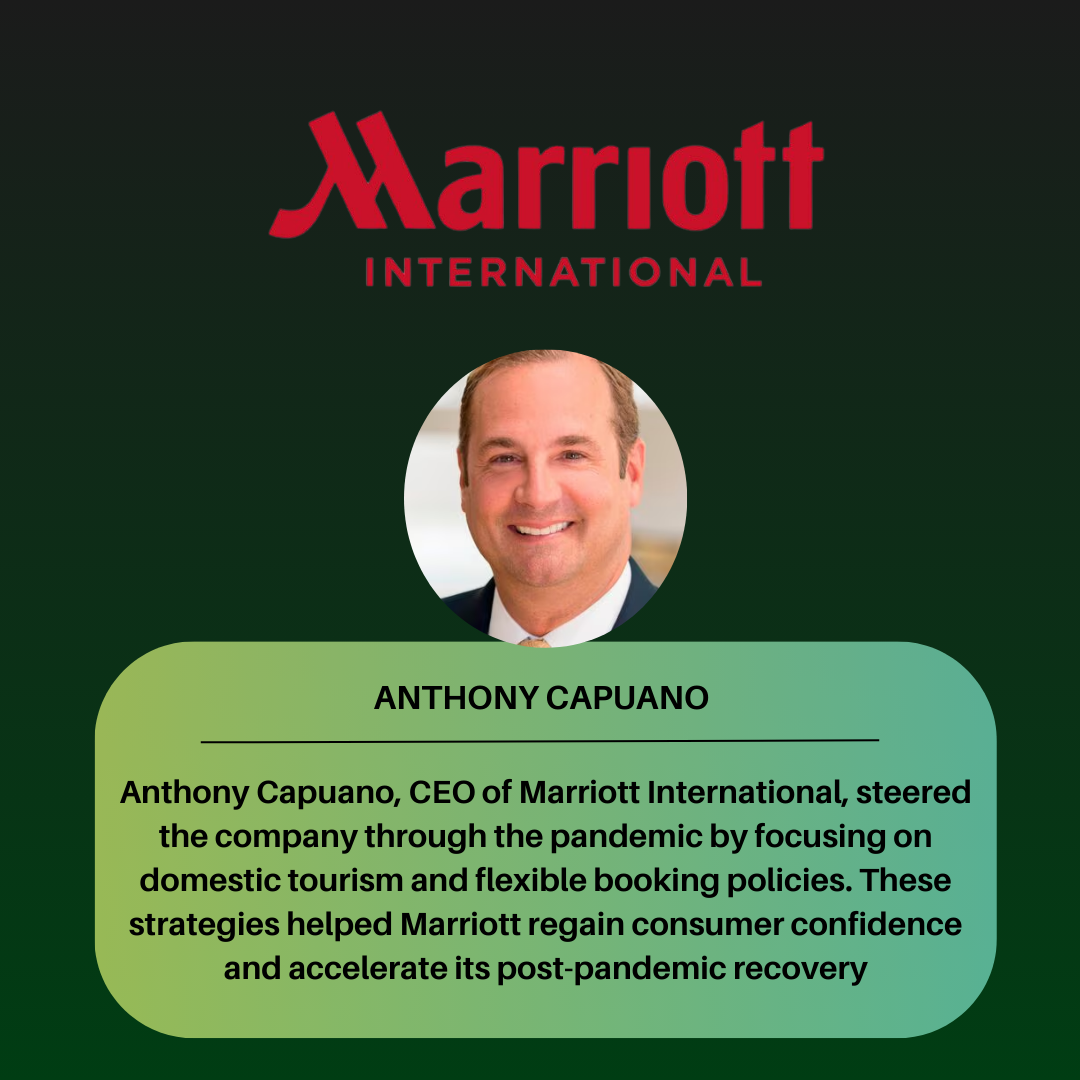
Leveraging industry-specific case studies is a powerful strategy for CEOs to gain insights into proven solutions and best practices relevant to their unique challenges.
By examining real-world examples from similar organizations, CEOs can identify effective strategies, anticipate potential pitfalls, and adapt successful initiatives to their contexts.
These case studies provide actionable insights and foster confidence in decision-making, enabling CEOs to navigate complex issues with greater clarity and foresight.
In 2026, CEOs face an environment of unprecedented complexity and rapid change. By addressing technological disruption, talent challenges, economic uncertainty, and societal expectations, executives can position their companies for sustainable growth
Building a strong professional network is essential in navigating these challenges. Leveraging a CEO email list can help leaders connect, collaborate, and share insights to stay ahead in a fast-moving world


Elaine Smith is a seasoned B2B marketing strategist and content writer with a strong focus on data-driven campaigns. With 9 years of experience crafting high-impact content for industries like healthcare, technology, and finance, she specializes in helping businesses leverage targeted email databases to maximize ROI. At eSalesClub, Elaine contributes insightful resources that guide marketers in building stronger connections with decision-makers worldwide.